

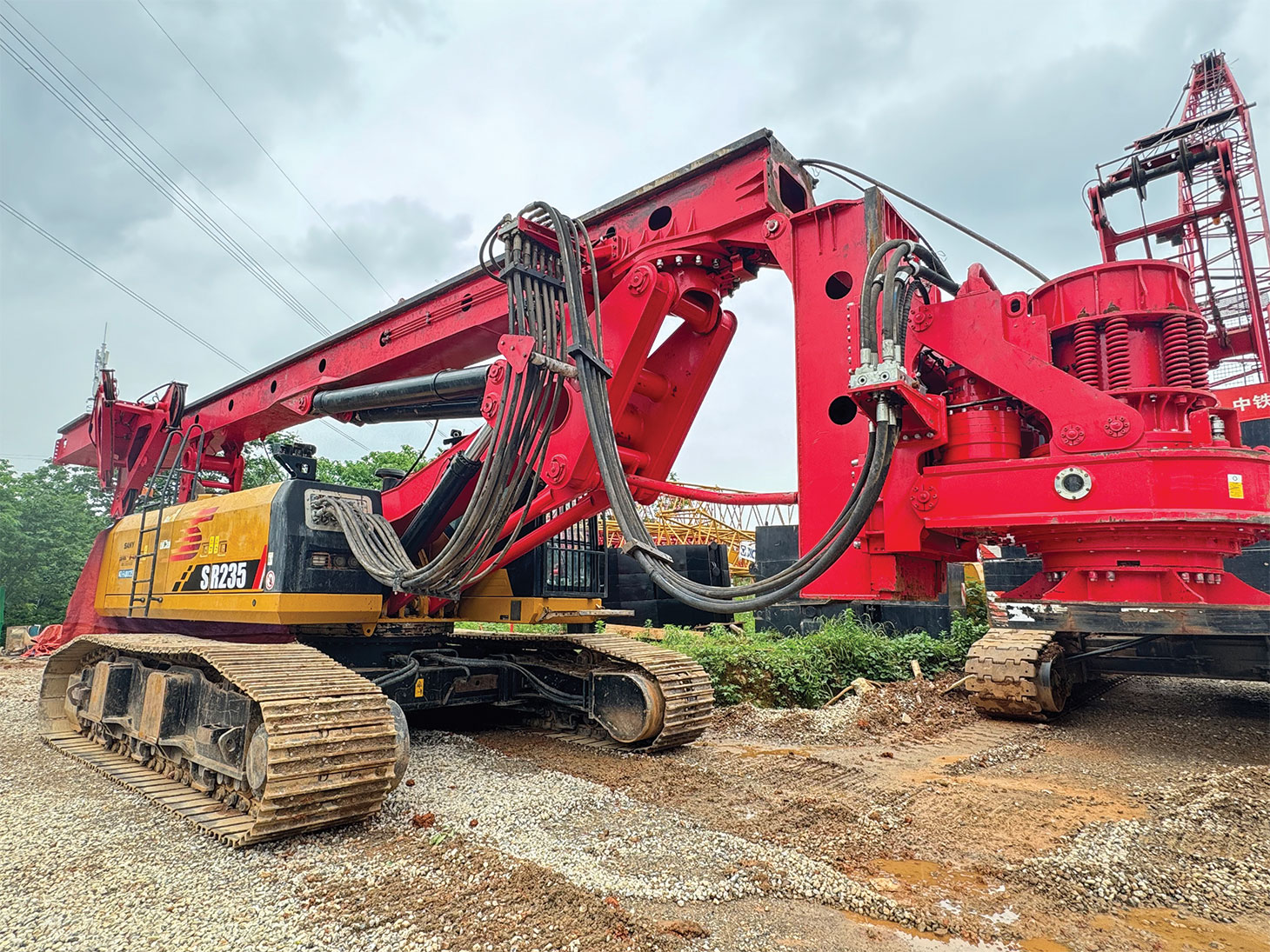
The market for second-hand construction equipment has expanded significantly in recent years. Rising equipment costs, long delivery times for new machines and increasing demand from infrastructure and foundation projects have encouraged many contractors to consider used machinery as a cost-effective alternative.
Among the various types of equipment available, used rotary drilling rigs have become particularly popular in piling and deep foundation construction.
While purchasing a used drilling rig can offer substantial savings, the condition of the machine plays a critical role in determining its long-term value and reliability. A machine that appears well-maintained on the surface may still have hidden mechanical or structural issues that lead to costly repairs after delivery. The difference between a smart investment and an expensive mistake often comes down to what a buyer notices before signing the purchase agreement.
Here are eight areas that can reveal a rig’s true condition.
1. Examine the structural components
The structural integrity of a rotary drilling rig directly affects both safety and operational performance. During inspection, attention should be given to the mast, upper structure, chassis and welding points. Look for visible cracks, deformation, corrosion or signs of previous repairs. Welded areas should be inspected carefully, particularly around high-stress locations such as the mast base, boom connections and turntable sections.
Excessive wear or poorly executed repairs may indicate that the machine has experienced heavy loading conditions or previous structural damage. Minor cosmetic wear is expected on used equipment, but structural defects can significantly affect service life and should not be overlooked.
2. Evaluate the hydraulic system
The hydraulic system is one of the most important components of a rotary drilling rig. Any performance issues can directly impact drilling efficiency and increase maintenance expenses.
Inspect hydraulic cylinders, hoses, fittings, pumps and valves for signs of leakage. Oil stains around connections or cylinder seals may indicate future repair requirements. During operation, observe whether hydraulic movements are smooth and responsive. Abnormal noises, delayed reactions, pressure fluctuations or overheating may suggest internal wear within pumps or hydraulic components. If possible, hydraulic pressure testing should be conducted to verify that the system is operating within manufacturer specifications.
3. Assess engine performance
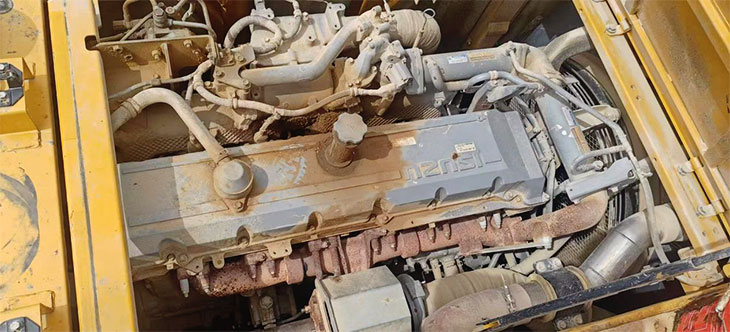
The engine serves as the primary power source for the drilling rig and should receive careful attention during inspection. Start the engine from a cold condition whenever possible. Excessive smoke, difficult starting, unusual vibrations or irregular engine sounds may indicate underlying problems. Pay particular attention to:
- Engine oil condition
- Coolant system status
- Fuel system leaks
- Exhaust emissions
- Operating temperature stability
Maintenance records can also provide valuable information regarding previous servicing, component replacements and operating history.
4. Inspect the rotary drive and winch systems
The rotary drive is responsible for transmitting drilling torque and plays a central role in foundation operations. Excessive wear in the rotary head can reduce drilling performance and increase downtime. Check for:
- Abnormal vibration during rotation
- Oil leakage around gearbox seals
- Unusual noises from bearings or gears
- Excessive backlash in rotating components
Similarly, the main winch and auxiliary winch should be tested under load conditions. Wire ropes, drums, braking systems and sheaves should be examined for wear or damage. Reliable winch performance is particularly important for lifting drilling tools and maintaining safe site operations.
5. Check the undercarriage condition
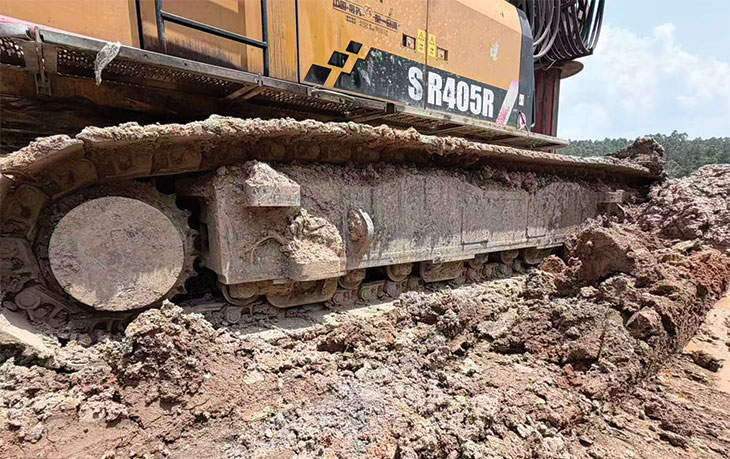
For crawler-mounted rotary drilling rigs, the undercarriage often represents one of the most expensive repair items. Inspect:
- Track chains
- Track shoes
- Rollers
- Sprockets
- Idlers
Excessive wear can significantly increase refurbishment costs. Uneven wear patterns may also indicate alignment issues or improper maintenance practices. Because undercarriage replacement can require substantial investment, understanding its condition before purchase is essential when evaluating the overall value of the machine.
6. Review Kelly bar and drilling tool condition
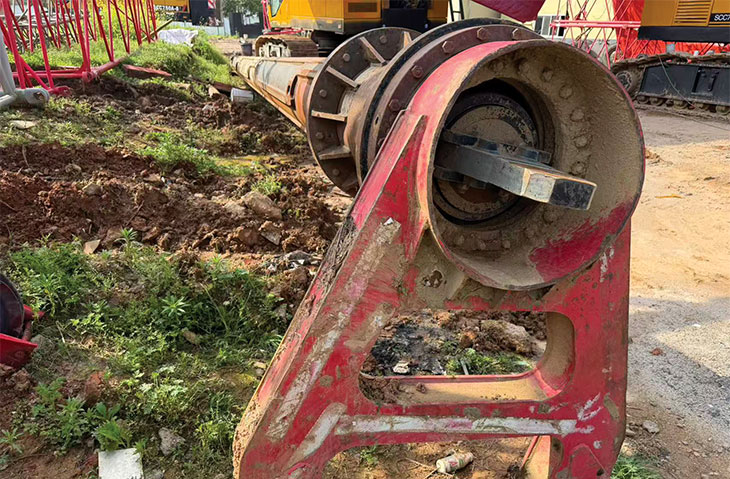
The Kelly bar is a key working component of a rotary drilling rig and should never be excluded from the inspection process. Examine:
- Outer and inner tube wear
- Locking mechanisms
- Keyways
- Welded sections
- Telescopic operation
Wear on Kelly bar components can affect drilling accuracy and operational efficiency. In addition, drilling buckets, augers, core barrels and other tools should be checked for structural damage and excessive wear. Replacement costs for these accessories can quickly add up if their condition is not properly evaluated beforehand.
7. Verify electronic and monitoring systems
Modern rotary drilling rigs rely heavily on electronic control systems and monitoring technology. Inspect:
- Control panels
- Sensors
- Displays
- Cameras
- Safety alarms
Error codes should be reviewed and investigated where necessary. Functional testing can help confirm that monitoring systems are accurately reporting drilling parameters and machine status. Electrical faults may not always be immediately visible, but can lead to operational disruptions if left unresolved.
A machine that appears well-maintained on the surface may still have hidden mechanical or structural issues that lead to costly repairs after delivery.
8. Request operating records and inspection documentation
Whenever possible, buyers should request maintenance logs, service records and operational history documentation. These records can help answer important questions, such as:
- How many operating hours has the machine accumulated?
- Has major component replacement been performed?
- Were scheduled maintenance intervals followed?
- Has the machine experienced significant repairs?
A transparent seller should be willing to provide supporting documentation and operational videos demonstrating machine performance.
A used rotary drilling rig can deliver significant value, but only when buyers understand its true condition. A thorough inspection may take additional time upfront, but it can prevent costly surprises long after the machine arrives on site.