

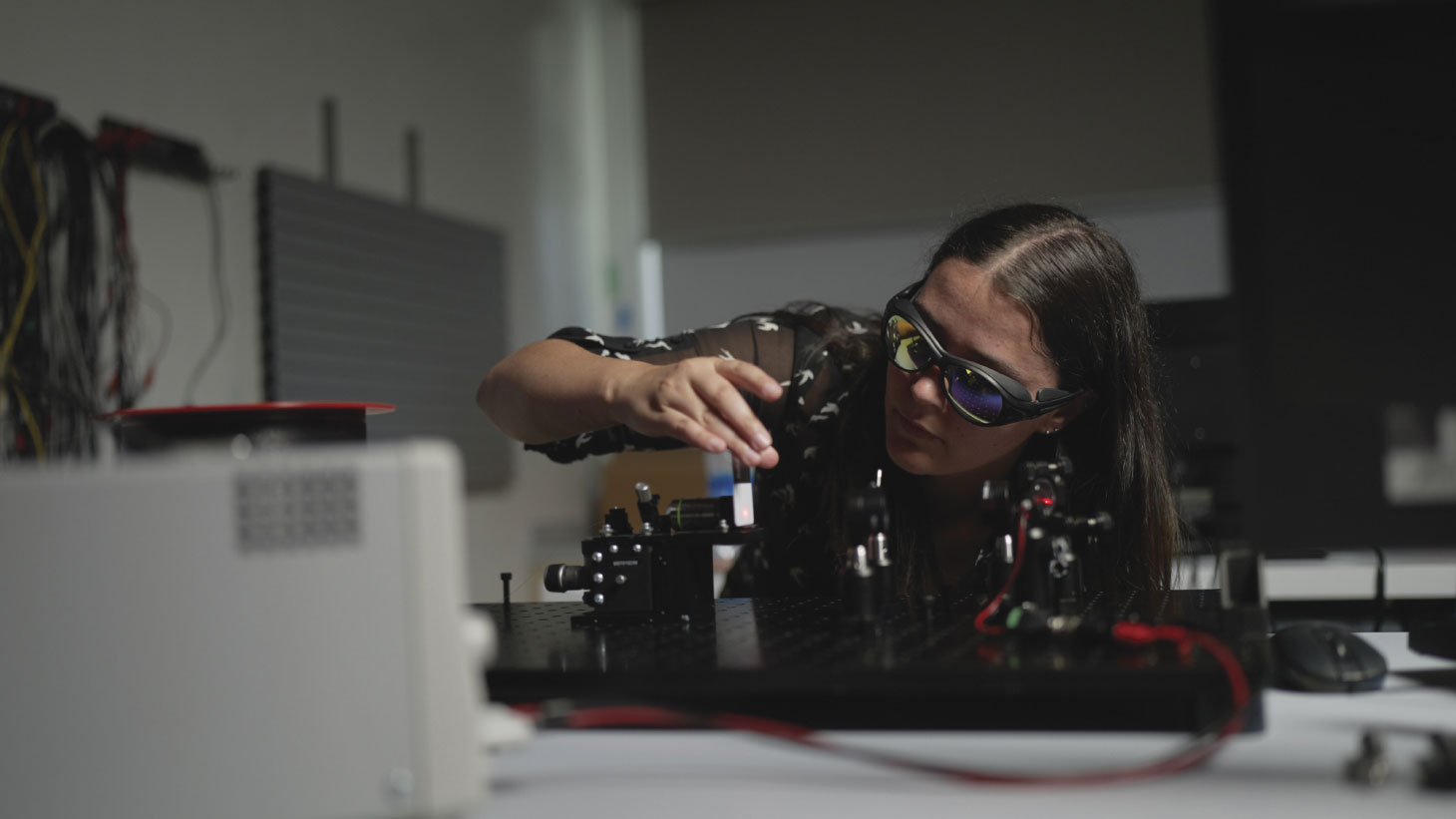
Kwantlen Polytechnic University (KPU) is opening new doors for future engineers with its two-year diploma in engineering physics, launched this fall. Designed with accessibility and flexibility in mind, the program creates a pathway for students who missed previous opportunities – whether they didn’t take a certain class in high school, paused studies to work or raise a family, or are returning after years away.
KPU, located in Langley, B.C., designed the program for students seeking more than a one-year program, but are not yet ready or eligible for a four-year degree. It blends classroom theory, hands-on labs and industry-ready training, emphasizing flexibility.
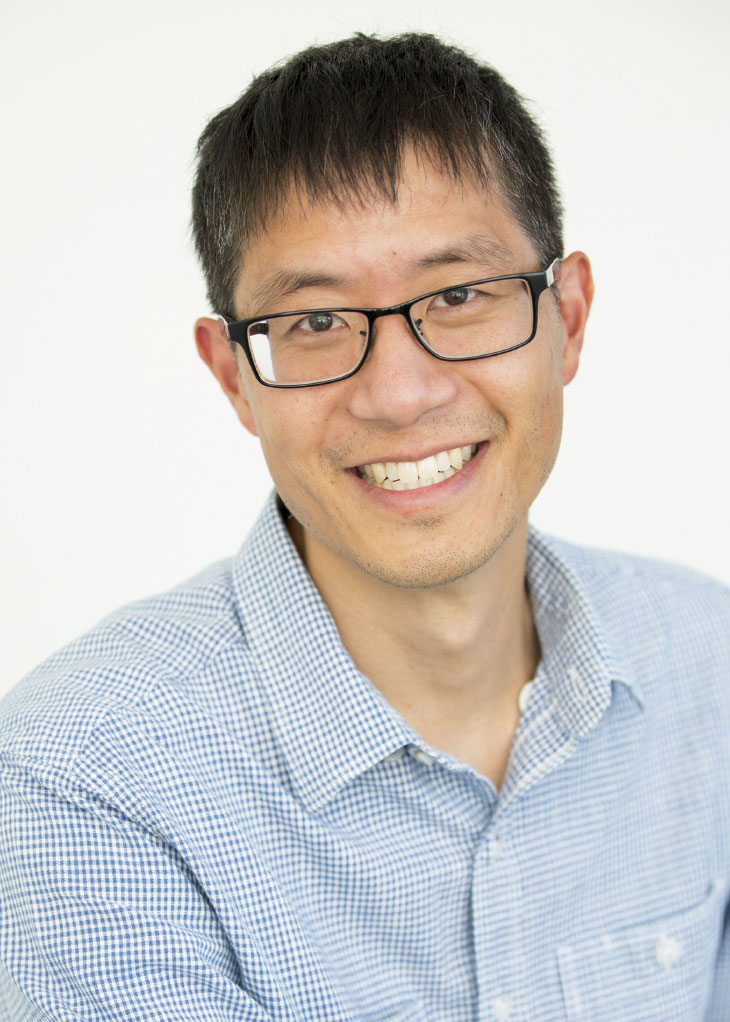
“The diploma in engineering physics provides a stepping-stone for any student wishing to pursue a degree in engineering, physics or math, or to enter the science and technology workplace,” said Michael Poon, PhD, program chair of engineering at KPU. “With small class sizes, more direct interaction and the ability to adapt quickly, we give students opportunities they might not find elsewhere.”
The decision to introduce the diploma was a gradual process. Poon says that faculty had been discussing it for nearly a decade, but the conversations increased once KPU began reviewing its long-standing engineering first-year certificate.
“It seemed like the natural next step,” he said. “We weren’t ready to launch a four-year engineering degree, but we already had a bachelor of science in physics for modern technology. Leveraging those courses to create a diploma in engineering physics made sense academically and financially.”
The program aligns with recent federal government policy shifts that have heightened demand for Science, Technology, Engineering, Mathematics (STEM) diplomas qualifying for international student visas. KPU wanted to expand opportunities for both domestic and international learners. Unlike traditional one-year certificates, the two-year diploma supports both full-time and part-time study, making it attractive for working professionals, mature students or those balancing family responsibilities.
“This program really is about second chances,” said Poon. “Maybe a student missed taking Calculus 12 in high school and couldn’t get into a traditional engineering stream. Or maybe they’ve been out of school for years and want to come back. We’ve built something that allows them to enter, progress at their own pace and keep doors open for the future.”
International graduates can also use the two-year diploma to qualify for post-graduation work permits and gain Canadian experience before continuing their education or entering the workforce. Amy Jeon, dean pro tem at the faculty of science at KPU, says that the program reflects KPU’s wider commitment to creating flexible, student-centred pathways.
“A traditional four-year degree may not adequately address the diverse needs of today’s learners. These new student-centred programs offer multiple entry and exit points, providing greater flexibility and empowering students to choose a path that fits their needs while maintaining a continued sense of progress,” said Jeon.
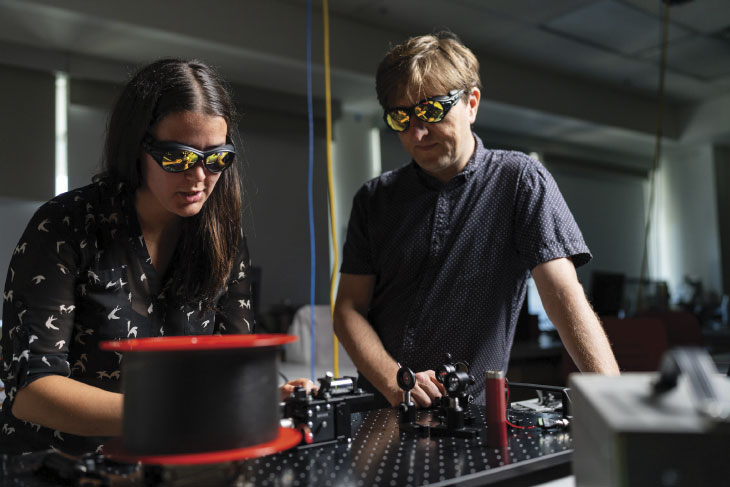
KPU is known for its applied learning. Many universities have class sizes of more than 200 students, but KPU caps class size at about 35. This ensures direct mentorship from instructors and frequent lab opportunities. “This gives us more freedom to adjust assignments and projects, and more interaction between faculty and students,” said Poon. The curriculum covers engineering fundamentals, microcontrollers, computer-aided drafting (CAD) and introductory design projects. This blend builds the problem-solving, data analysis and technical skills needed in deep foundation and construction industries.
After graduating, Poon says that students will gain a strong background in math, physics and applied technologies. This foundation supports careers in engineering design, drafting, CAD and technical analysis, and prepares graduates for roles requiring analytical problem-solving, technical communication and hands-on application of engineering concepts.
Students will also develop skills in teamwork and project management through collaborative labs. These experiences prepare students to co-ordinate with professional teams, manage projects and apply technical knowledge on construction sites, in engineering consulting firms and in municipal infrastructure departments.
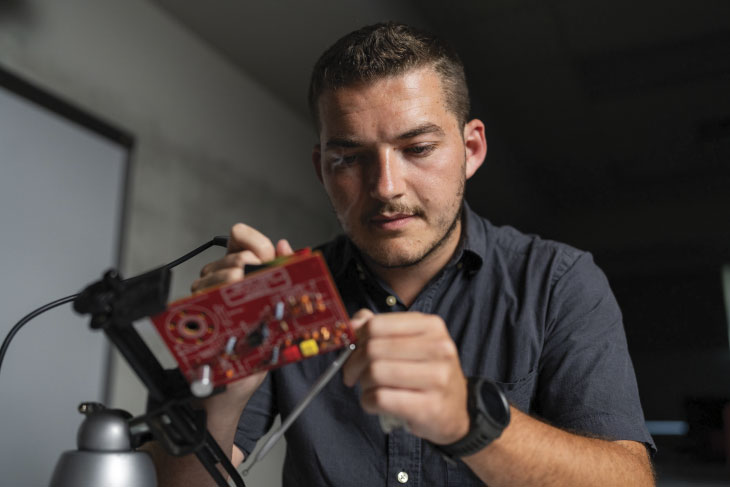
“We’re giving students opportunities they might not have elsewhere. Whether they go on to a degree, into industry or use the diploma as a stepping-stone, they leave with skills that matter.”
Michael Poon, PhD, Kwantlen Polytechnic University
“We’re not producing civil engineers yet, but we are preparing students with the analytical mindset and applied technical training that employers value. These are skills they can take into many STEM workplaces, including construction,” Poon said.
The diploma is structured as a transferable credential so it can open doors to third-year entry in KPU’s Physics for Modern Technology program or second-year entry into engineering degrees at institutions such as the University of British Columbia, University of Victoria or Simon Fraser University. Students may also pursue additional credentials in CAD or math. The program offers multiple entry and exit points, letting students tailor their education to personal and professional goals.
Although the diploma is just beginning, KPU is eager to build stronger ties with local industry. Poon hopes companies will join a program advisory committee, ensuring the curriculum reflects real-world needs and preparing for future work-integrated learning opportunities. “Now that we have a two-year program, there’s more scope to develop internships and placements,” he said. “We want to hear from industry about the kinds of skills they’re looking for and adapt our courses accordingly.”
KPU stands out for making engineering education accessible to students at different life stages. Nearly one-third of its engineering students begin their studies after gaining work experience, raising families or trying out other programs. “These students often bring maturity and life experience that really enhance group projects,” said Poon. “You’ll see older students step into mentorship roles and help younger classmates stay organized and meet deadlines.”
Although the diploma is new, Poon envisions the engineering program evolving to meet changing labour needs with a four-year civil engineering degree. “Civil engineering would be a natural fit for our region,” he added. “There’s strong demand from municipalities and industry in Surrey and Langley, and it would build on the trades and technology expertise we already have at KPU.”
The launch of KPU’s diploma in engineering physics is part of a larger trend in which Canadian institutions are rethinking shorter, more flexible STEM pathways that can respond faster to industry needs. For the piling industry, this means access to graduates who may not yet carry professional engineering designations, but who are well-versed in the technical skills involved in geotechnical and foundation work.
“We’re giving students opportunities they might not have elsewhere. Whether they go on to a degree, into industry or use the diploma as a stepping-stone, they leave with skills that matter,” said Poon.