

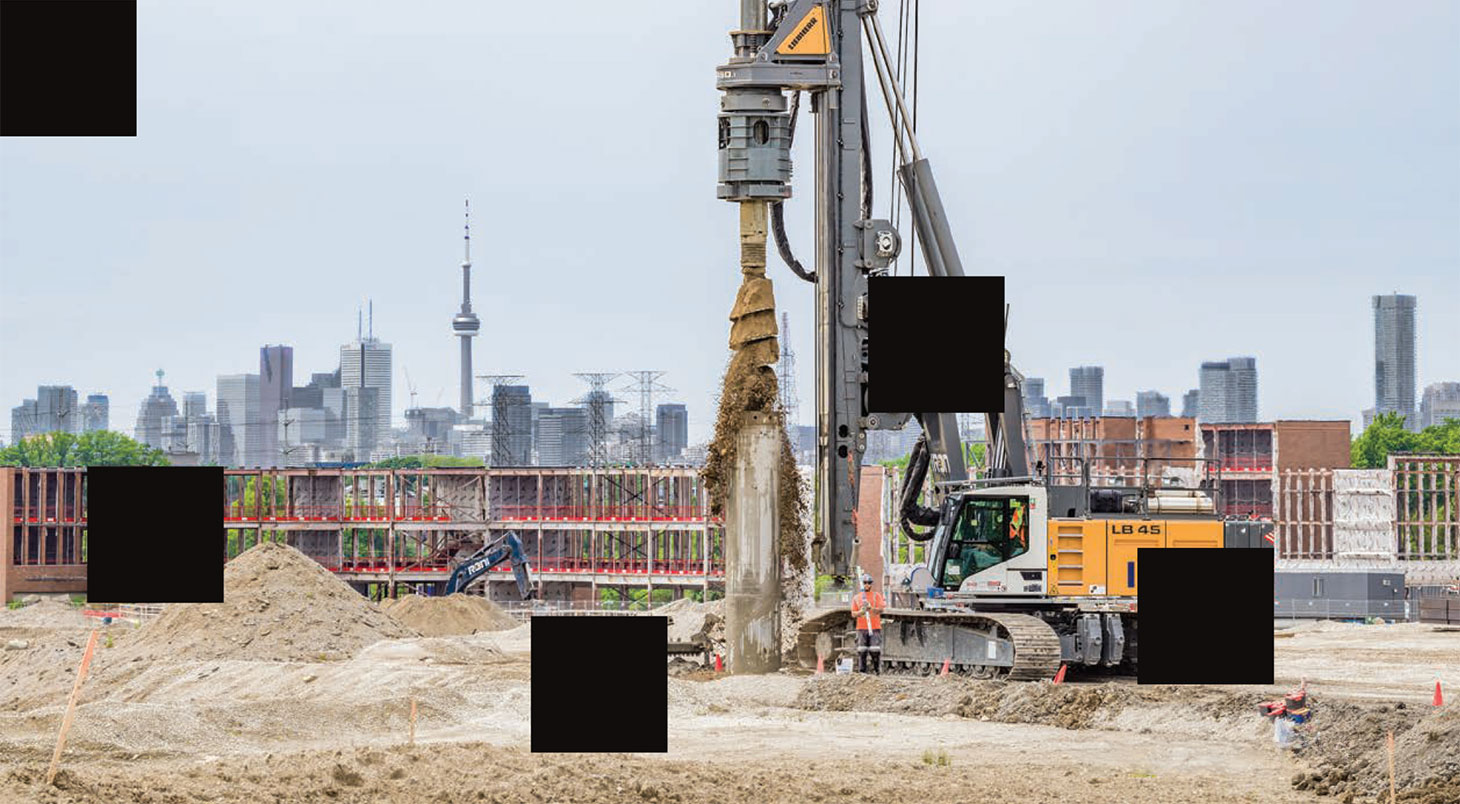
Blind spot incidents don’t happen because operators can’t see. They happen because people on the ground assume they can.
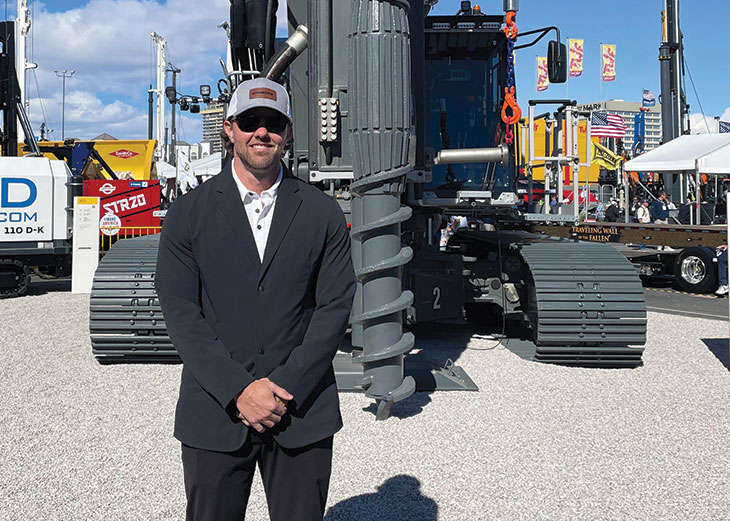
Andrew McKnight, a former drill rig operator who now works as a sales representative with Liebherr-Canada Ltd., says one of the most common misconceptions on jobsites is that mirrors and cameras provide drill rig operators with a complete view of the work area.
“People think that because there’s a camera or because there’s a mirror, that means I’m looking at it, and I see you. In reality, they only reduce blind spots – they do not eliminate them,” he said. But McKnight says the greatest risk isn’t necessarily what operators can’t see. It’s what others assume they can. “People assume the operator can see them,” he said. “Complacency and poor communication then lead people to step into blind zones. Most close calls happen not because the operator lacks visibility, but because others overestimate it.”
Prevention starts before the rig moves
Typically, most blind spot incidents occur when crews are repositioning or altering a drilling operation. That’s when communication is most likely to break down, and people unwittingly step into blind spots, or “blind zones.” McKnight says there are several relatively easy measures that companies and crews can undertake to reduce the chances of close calls.
One of the first such actions that should be taken is devoting an appropriate amount of time to pre-job planning. That includes mapping out exclusion zones, identifying known blind spots, assigning clear communication methods and defining who is allowed to approach a rig and when.
“Pre-planning is critical because it sets clear expectations before anyone is near the rig,” he said. “It also ensures that everyone understands the scope of the job, so no one walks into a danger zone unexpectedly. Most blind spot incidents are prevented simply by aligning the crew before the work starts.” Clearly marked exclusion zones help prevent ground workers from unintentionally entering high-risk areas. They also encourage workers to approach the rig from a predictable direction, reducing the likelihood of entering a blind zone.
No room for assumptions
Beyond planning, communication is one of the first things McKnight evaluates when visiting a jobsite. Planning can establish the rules, but communication is what keeps workers safe once work begins. “The communication should be deliberate and consistent. Clear positioning and positive confirmation prevent people from going unnoticed. The operator and ground personnel should be able to have a conversation without speaking,” he said.
One of the simplest ways operators can improve blind zone safety is by walking the work area before climbing into the cab and reviewing the day’s plan with the crew. “You need to look around and verbally say, ‘This is my plan. This is what I’m thinking,’ and then everyone knows,” he said. “Many [operators] skip this when they’re busy, or once they’re comfortable with the site. We need to end the days of, ‘I thought you were going to do it this way.’”
For McKnight, blind zone safety isn’t just about where people stand or how they communicate. It’s also influenced by how well operators prepare their equipment and work area before work begins. As an operator, McKnight was known for keeping the outside of his rig clean, ensuring cameras, mirrors and lights remained operational and removing unnecessary clutter before work began.
“If there are items on the catwalk, that means people are going to be grabbing them off [during an operation]. Why do they need to come near me while I’m in operation?” he asked. “They should have their own station somewhere that’s not affecting me. By removing the clutter around the rig and having the work area prepped and organized, no one needs to enter a blind spot later to get a tool.”
Technology helps, but habits matter more
While today’s high-definition cameras have not eliminated blind spots, they are a valuable tool for reducing the likelihood of work-related mishaps on construction sites. McKnight says cameras can provide operators with real-time visibility of areas that they can’t see even with mirrors. That in turn provides the operator with confirmation of crew positions, reduces guesswork and prevents people or equipment from entering danger zones. McKnight’s advice about cameras is that operators need to be aware of them and be deliberate in how they use them.
“They should view the cameras and sensors as tools they need to use, as opposed to optional resources,” he said. “A routine example would be checking the camera before you swing. Take a look to confirm nothing has changed, or a skid steer isn’t now in your way. The goal is to combine good tech with good habits.”
Ultimately, visibility management isn’t about technology. It’s about creating predictable, repeatable habits that keep workers out of danger zones. McKnight says visibility needs to be a topic considered at every stage of the work. He also recommends that operators stop, check their surroundings and communicate with their co-workers before any movement is undertaken outside of the standard operation, and ground crews are positioned predictably and approach the rig only after acknowledgement from the operator.
“Everything on site should feel controlled, coordinated and calm,” he said.
Blind spots will always exist on drill rigs, regardless of how advanced the equipment becomes. The goal is not to eliminate blind spots entirely, but to ensure everyone onsite understands where they are, communicates clearly and never assumes someone else has accounted for them. As McKnight notes, complacency can develop quickly. Preventing incidents often comes down to taking a few extra seconds to stop, communicate and confirm before work continues.